Sacred Centres.
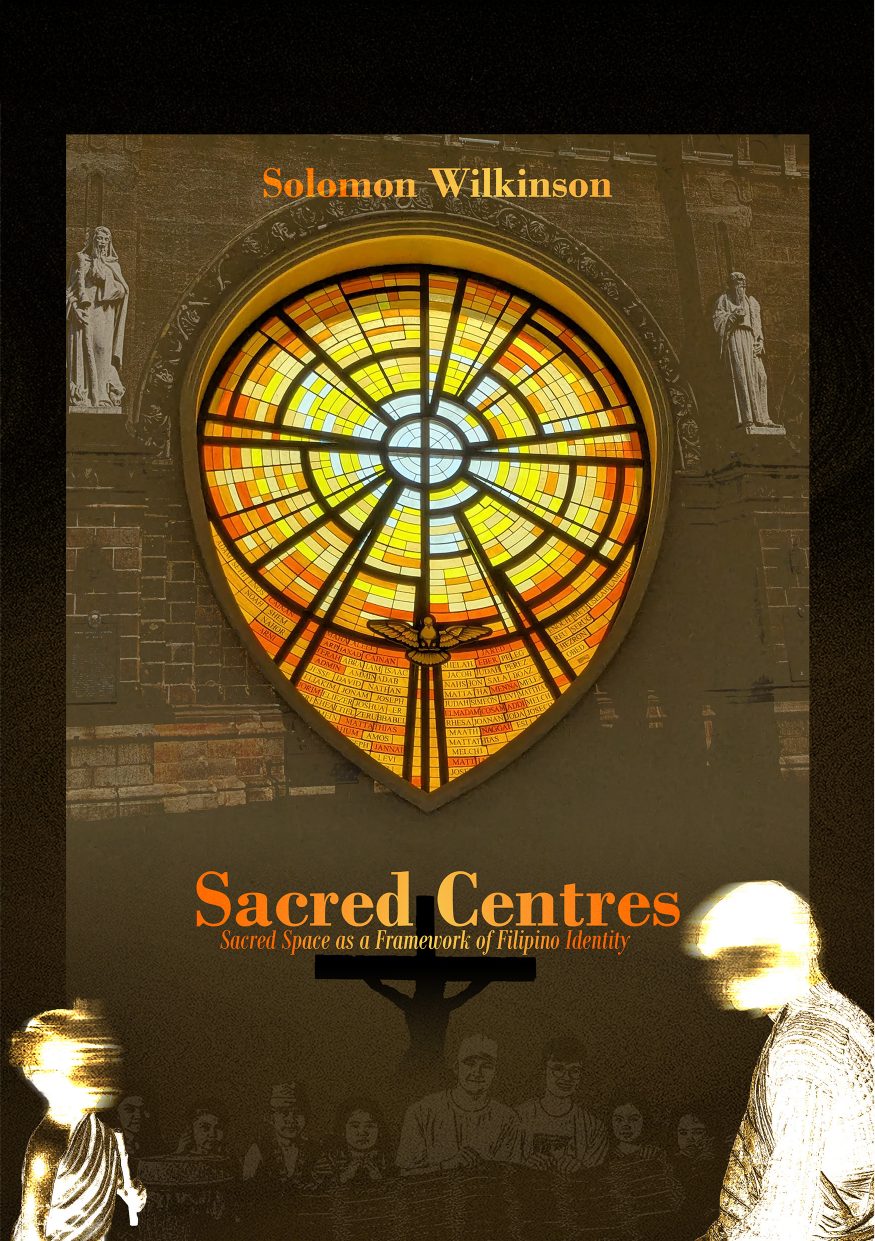
How sacred architecture in the Philippines shapes cultural identity, through Catholic churches in urban and rural settings across Spanish colonialism, American civic modernism and contemporary metropolitan development.
This dissertation examines how Catholic churches in the Philippines structure social life, memory and belief, and how they have stayed central while the spatial and political world around them changed.
Drawing on Rossi, Lefebvre and Tuan alongside Filipino architectural historians including Lico, De Viana and Jose, it finds that urban churches act mainly as visual and spatial landmarks, while rural churches build belonging through participation and community. It argues that sacred architecture in the Philippines works not only as a religious institution but as a cultural and spatial anchor linking historical continuity with contemporary identity.
- Module./
- ARCH6000 Critical Contexts
- Year./
- 2025/26
- Length./
- 6,415 words